

How to Disable Folder Renaming in Windows 11/10
Windows has no single “Disable Rename” switch for an ordinary folder. This guide explains the practical choices: protect the folder with GiliSoft File Lock Pro or configure the relevant NTFS permissions carefully.
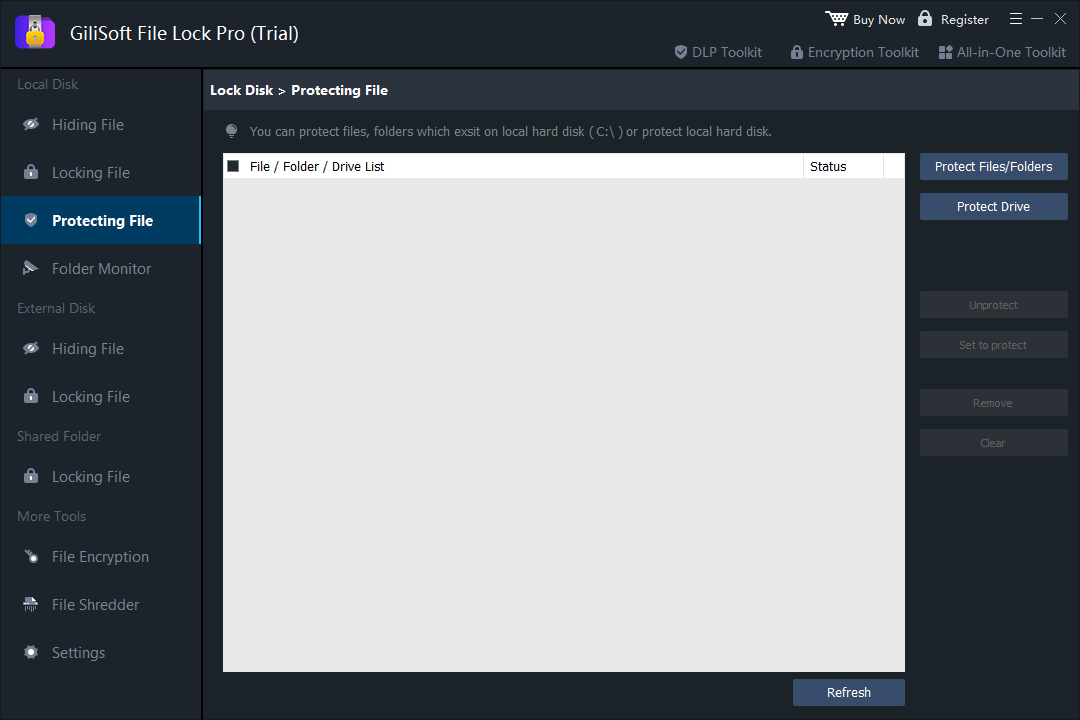
For the simplest setup, open File Lock Pro > Local Disk > Protecting File, add the folder, and apply protection. For a Windows-only approach, advanced NTFS permissions can restrict the delete-related rights used during rename operations, but both the folder and its parent permissions must be reviewed.
Why Folder Renaming Is Tied to Delete Permissions
Renaming is not controlled by the folder’s Read-only checkbox. At the Windows file-system level, a rename can depend on Delete permission on the folder or Delete child permission on its parent directory.
This is why a folder may still be renamed after a simple Deny entry is added to the folder itself. The effective result depends on inherited permissions, the parent folder, the signed-in account, group memberships, and whether an administrator later takes ownership or changes the ACL.
Choose the Right Method
| Method | Best for | Difficulty | Folder remains visible |
|---|---|---|---|
| GiliSoft File Lock Pro Recommended | Home, office, classroom, USB, and shared-PC folders | Easy | Yes |
| Advanced NTFS permissions | Administrators managing Windows accounts and ACLs | Advanced | Yes |
| Hide the folder | Reducing casual discovery rather than specifically disabling rename | Easy | No |
Prevent Folder Renaming with File Lock Pro
Use this method when the folder should stay visible but its name and protected contents should not be casually changed by another person using the PC.
Install and open GiliSoft File Lock Pro, then enter the master password.
Under Local Disk, choose Protecting File. For a USB or external drive, use the matching external-disk section.
Select Protect Files/Folders, add the folder whose name and structure must remain unchanged, and apply protection.
Return to File Explorer and test renaming with a noncritical folder before protecting important work.
Disable Folder Rename with Advanced NTFS Permissions
This built-in approach is suitable for administrators who understand Windows accounts, inheritance, ownership, and effective access.
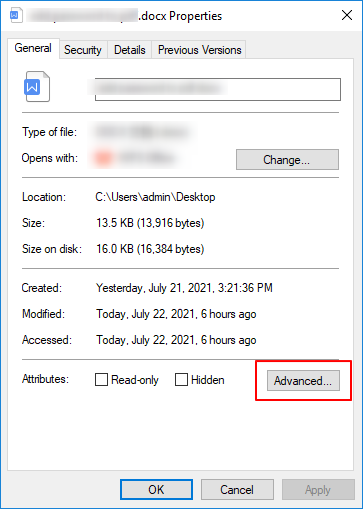
Right-click the target folder, choose Properties, open Security, and select Advanced.
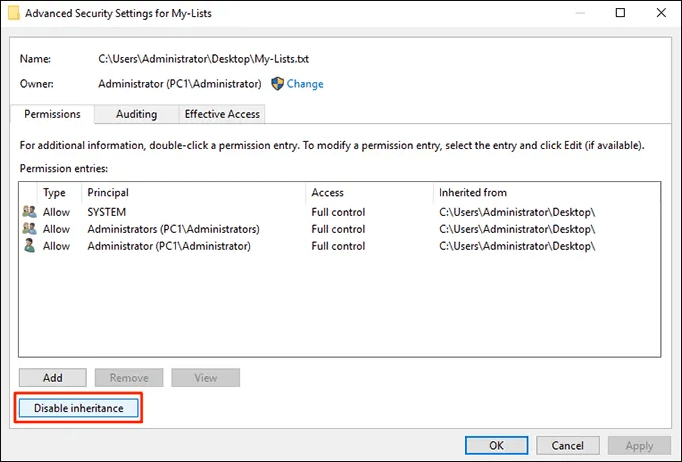
Review the owner, inherited entries, and the exact user or group that should be restricted. Select Disable inheritance only when explicit permissions are required.
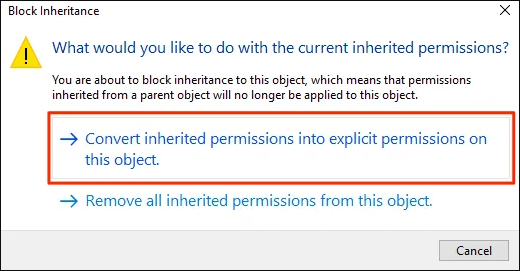
If prompted, choose Convert inherited permissions into explicit permissions on this object so the existing entries remain available for review.
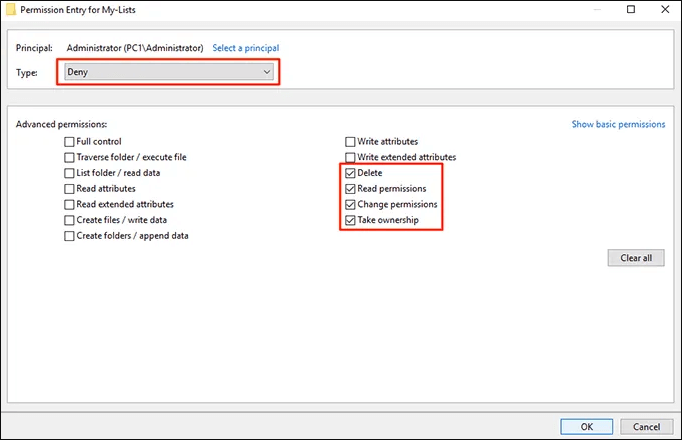
Edit the intended account and inspect advanced delete-related permissions. Folder rename behavior may involve both Delete on the folder and Delete subfolders and files on the parent.
What Does Not Reliably Disable Folder Renaming?
Read-only checkbox
For folders, the Read-only attribute is not a dedicated rename lock. Windows and applications may use it for folder customization rather than access control.
Hidden attribute
Hidden reduces ordinary visibility only. Anyone who enables hidden items can find the folder and may still rename it.
Encryption alone
BitLocker and EFS protect data in different situations, but encryption by itself is not a rule that preserves one folder name after authorized access.
App file-system privacy
Windows privacy settings govern selected app access. They do not create a general rename restriction for desktop programs and File Explorer.
Test the Protection Before Relying on It
Create a disposable folder and add sample files.
Apply the chosen rule, then test rename, move, delete, create, edit, and save operations.
Repeat the test from the actual standard Windows account that will use the folder.
Confirm that the administrator or File Lock Pro master password can restore normal access.
When Preserving a Folder Name Matters
Shared templates
Keep approved report, invoice, class-material, or project-template folders under their expected names.
Application data paths
Reduce accidental renaming of folders referenced by scripts, shortcuts, media projects, or internal tools.
USB delivery folders
Preserve a known directory structure when files move between staff, classrooms, events, or client locations.
Archives and completed work
Protect finalized project folders from casual restructuring while keeping the material visible for reference.
Disable Folder Rename FAQ
Can I stop renaming but still allow editing inside the folder?
It is possible, but NTFS ACL design becomes more precise because the folder and its children need different effective rights. Test with the real account and use File Lock Pro when a simpler managed rule is preferable.
Why can the folder still be renamed after I deny Delete?
The parent directory may grant Delete child permission, which can also authorize a rename operation. Inheritance and group permissions must be reviewed together.
Does Read-only stop a folder from being renamed?
No. The folder Read-only attribute is not a reliable access-control mechanism for preventing rename actions.
Can File Lock Pro protect a folder on a USB drive?
Yes. File Lock Pro supports selected folders on local disks, external drives, USB storage, and LAN shared folders.
Related Folder Protection Guides
Technical references: Microsoft File Security and Access Rights | Microsoft delete and delete-child permission notes | Microsoft NTFS permission inheritance